Walk into any traditional jewelry store and you’ll notice something. Row after row of similar looking pieces, all designed to appeal to as many people as possible. This approach worked for years, but buyer habits are shifting fast, and it’s hard to ignore. People aren’t just looking for something pretty anymore, they want pieces that actually feel like theirs, something that reflects who they are rather than what’s easiest to mass produce and sell in bulk.
That expectation didn’t exist in quite the same way a decade ago, but it’s becoming the norm now. This growing demand has pushed personalized options like custom sterling silver jewelry into the spotlight, and traditional retail is starting to feel the effects of that shift in real time.
The Problem With One Size Fits All
Traditional retail has always relied on producing jewelry in bulk, designed to fit a broad range of tastes. While this keeps costs down and makes items easier to stock, it also means most pieces end up feeling somewhat interchangeable. Walk through several different stores and you’ll likely spot similar rings, similar necklaces, and similar bracelets, just with slightly different price tags attached.
For a long time, buyers accepted this as normal simply because there weren’t many other options. If you wanted jewelry, you shopped from what was already made. But as personalization has become more accessible in other areas of life, from clothing to home goods, buyers have started expecting that same level of customization when it comes to jewelry too.
What’s Driving the Shift
A big part of this change comes down to how people view their purchases in general. Buyers today are more thoughtful about what they spend money on, often preferring fewer, more meaningful items over a large collection of generic pieces. Jewelry, being something worn close to the body and often tied to personal milestones, fits naturally into this mindset.
Social media has also played a role. Seeing unique, personalized pieces shared online has made buyers more aware of what’s possible outside of traditional retail. Once people realize they don’t have to settle for whatever is available on a shelf, it becomes harder to go back to shopping the old way.
Personalization Creates Emotional Value
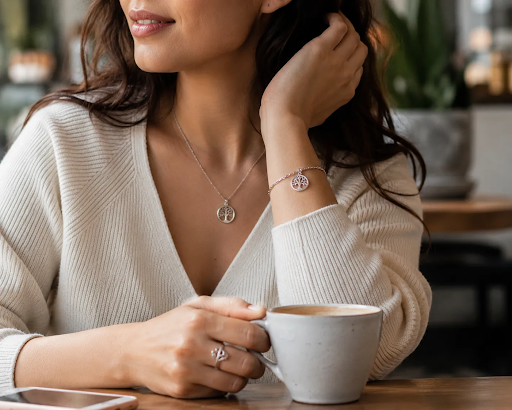
One of the clearest advantages personalized jewelry has over traditional retail is emotional connection. A ring bought off a shelf might look nice, but it rarely carries any deeper meaning beyond its appearance. A piece designed around a specific date, initials, or a personal symbol carries a story that store bought jewelry simply can’t replicate.
This emotional layer matters more than retailers sometimes realize. People remember how something makes them feel just as much as how it looks. Jewelry that holds personal significance tends to get worn more often and held onto longer, which builds a different kind of loyalty than traditional retail purchases usually create.
Traditional Retail’s Struggle to Compete
Large retailers are somewhat limited in how much personalization they can realistically offer. Their business model depends on efficiency and scale, which makes fully custom options difficult to implement without significantly increasing costs or production time. While some big brands have started offering limited customization, like engraving or choosing between preset options, this still falls short of true personalized design.
Smaller, independent sellers and manufacturers who specialize in custom work have a natural advantage here. Without the same scale requirements, they can offer buyers a level of involvement and flexibility that larger retailers simply aren’t built for.
The Role of Technology in Making This Possible
None of this shift would be happening as quickly without improvements in design technology. Tools that allow customers to visualize custom pieces before they’re made have removed a lot of the uncertainty that used to come with ordering something personalized. Buyers can now see rough previews of their designs, request changes, and feel confident about their purchase before production even begins.
This technology has also made the custom process faster and more affordable than it used to be, which has helped personalized jewelry become accessible to a much wider range of buyers, not just those willing to pay premium prices for bespoke design work.
Price Isn’t the Barrier It Used to Be
There’s a common assumption that personalized jewelry automatically costs more than what you’d find in traditional retail. While fully custom pieces can come with a higher price tag depending on complexity, many personalized options are surprisingly comparable in price to standard retail jewelry, especially when working directly with manufacturers rather than going through multiple layers of markup.
This shrinking price gap has removed one of the biggest hesitations buyers used to have around choosing personalized over pre made options.
What This Means for the Future of Jewelry Shopping
As personalized jewelry continues to grow, traditional retail will likely need to adapt in order to stay relevant. Some larger brands are already exploring limited customization features, but the real advantage still lies with manufacturers and sellers who specialize in true personalized design. Buyers have made it clear that they want more control over what they wear, and that expectation isn’t likely to fade.
This shift isn’t necessarily about traditional retail disappearing altogether. Mass produced jewelry still has its place, especially for buyers who want something simple and immediate. But when it comes to pieces meant to hold personal meaning, personalized options are increasingly becoming the preferred choice.
Final Thoughts
The rise of personalized jewelry reflects a bigger change in how people want to shop overall. Buyers are moving away from generic, mass produced options in favor of pieces that actually mean something to them. Traditional retail built its model around convenience and scale, but personalization offers something that model can’t easily replicate, a real connection between the buyer and what they choose to wear. As this demand continues to grow, it’s clear that personalized jewelry isn’t just a passing trend, it’s reshaping expectations across the entire industry.

